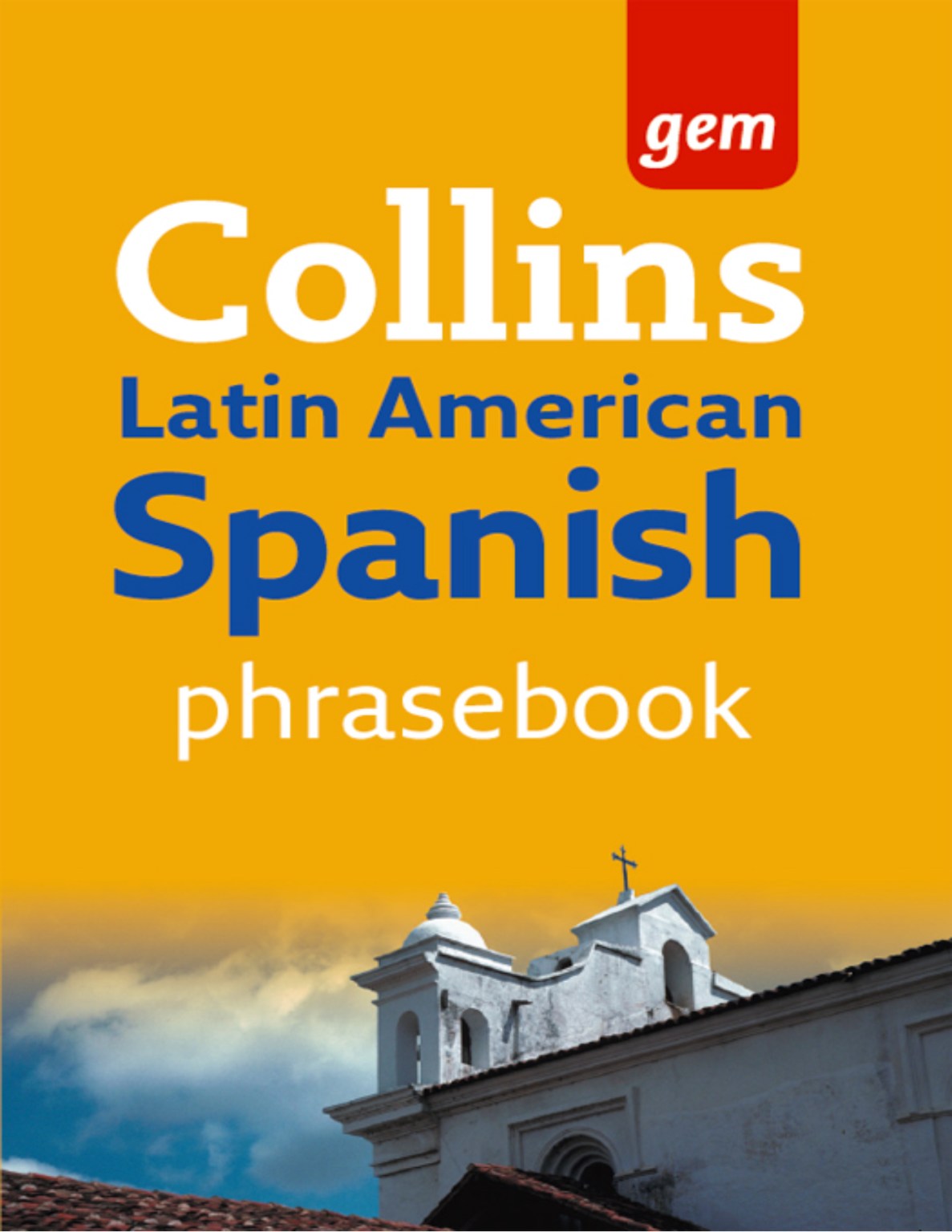
Collins Latin American Spanish Phrasebook
Planning a trip through the vibrant landscapes of Mexico, Chile, or Argentina? Language barriers can hinder authentic experiences. The Collins Latin American Spanish Phrasebook is your essential travel companion, specifically tailored to the nuances of Latin American Spanish. Unlike generic European Spanish guides, this resource focuses on the local slang, pronunciation, and cultural etiquette unique to the region, ensuring you navigate markets, order meals, and connect with locals with genuine confidence.
Why Choose the Collins Latin American Spanish Phrasebook
Selecting the right language tool is critical for travelers. The Collins Latin American Spanish Phrasebook stands out due to its specialized focus. While many phrasebooks offer a one-size-fits-all approach to the Spanish language, this edition dedicates its content to the distinct dialects from Mexico to the Southern Cone. It prioritizes practical, real-world communication over rigid textbook grammar. With a clear layout, color-coded sections for quick reference, and a durable design meant for backpacks, it is engineered for ease of use. This ensures that whether you are haggling in a Bogotá market or asking for directions in Lima, you have the precise vocabulary at your fingertips.
Essential Phrases for Travelers in Latin America
This section of the Collins Latin American Spanish Phrasebook is meticulously organized to cover high-stakes scenarios. It moves beyond simple greetings to include emergency phrases, medical needs, and transport logistics specific to Latin American infrastructure. Users will find phonetic pronunciations that respect regional accents, such as the soft “c” in Mexico versus the aspirated “s” in the Caribbean. It includes vital questions like “¿Dónde está la parada de autobús?” (Where is the bus stop?) and polite formalities essential for showing respect in local cultures. This structured approach minimizes frustration, allowing you to focus on the adventure rather than fumbling for words.
Navigating Food, Culture, and Local Etiquette
Culinary exploration is a highlight of any trip, and the Collins Latin American Spanish Phrasebook excels in this domain. It dedicates extensive pages to decoding menus—explaining what anticuchos are in Peru or arepas in Venezuela. More importantly, it integrates cultural notes on dining etiquette, such as the significance of saying “buen provecho” before a meal. It also covers social interactions, guiding users on formal versus informal address (“usted” vs. “tú”), which varies widely across regions. By merging language with cultural insight, this phrasebook helps travelers avoid accidental faux pas, fostering warmer interactions with locals and a deeper appreciation for regional customs.
Pronunciation and Regional Variations
One of the most daunting aspects of Spanish is the variation in pronunciation across 20 countries. The Collins Latin American Spanish Phrasebook addresses this head-on with a dedicated pronunciation guide. It clearly delineates the differences between the seseo (common in Latin America, where “c” and “s” sound the same) and the distinción used in Spain. It highlights key regional slang, or lunfardo, ensuring you aren’t confused by local jargon. This focus on auditory recognition helps travelers train their ears to understand rapid speech, turning intimidating conversations into manageable exchanges. This phonetic precision builds the user’s confidence to speak spontaneously rather than relying solely on written text.
Maximizing Your Travel Experience with Digital Integration
Modern travel demands flexibility, which is why the Collins Latin American Spanish Phrasebook offers synergy with digital resources. While the physical book is invaluable for scenarios with low battery or no Wi-Fi, many editions provide access to audio downloads or app integrations. These audio clips feature native Latin American speakers, allowing you to perfect your accent before you arrive. By combining the reliability of a physical guide with modern audio tools, this phrasebook ensures comprehensive preparation. It empowers travelers to move from basic survival phrases to engaging in meaningful conversations, turning a simple vacation into an immersive cultural journey.
Comments (0)