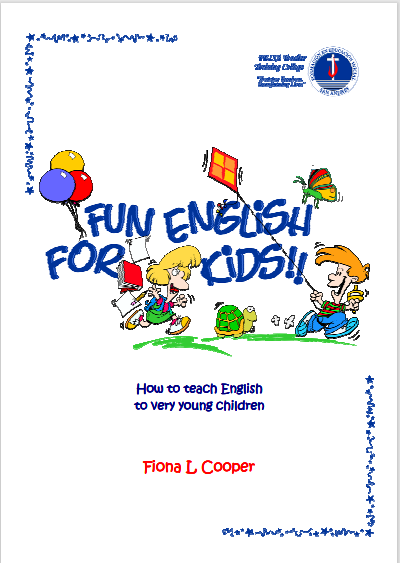
Fun English For Kids_ How to teach English
Fun English For Kids: How to Teach English is an indispensable digital resource designed for parents, educators, and caregivers who want to introduce young children to the English language through engaging, developmentally appropriate methods. This downloadable PDF guide provides a comprehensive framework for teaching English to children aged three to seven, combining practical teaching strategies with creative activities, games, and lesson plans that make language learning a joyful experience. Written by experienced language educators specializing in early childhood instruction, this resource covers essential topics including creating a language-rich environment, using songs and movement effectively, incorporating storytelling and crafts, and managing mixed-ability groups with confidence. Available for immediate download on our website, this guide serves as an essential companion for homeschool parents, classroom teachers, and anyone seeking to nurture young children’s natural curiosity for language. Whether you are an experienced educator or a parent embarking on your first teaching journey, this resource provides the tools, techniques, and confidence to make English learning a fun, memorable, and successful adventure for the young learners in your care.
The Philosophy of Joyful Language Learning
Young children learn languages differently than adolescents or adults, and effective instruction must honor the unique ways in which early learners absorb and process new linguistic information. Fun English For Kids: How to Teach English is built upon the fundamental principle that young children learn best through play, movement, sensory experiences, and genuine communication—not through formal instruction, rote memorization, or grammar drills. The guide explains how children acquire language naturally through meaningful interactions, imitation, and exploration, providing parents and educators with strategies that harness these natural processes rather than working against them. This philosophy aligns with best practices in early childhood education and complements approaches found in quality language learning books designed for older learners, where contextual understanding and authentic communication similarly drive lasting acquisition. By embracing a joyful, play-based approach, teachers and parents create positive associations with language learning that motivate children to engage enthusiastically and sustain their interest over time, setting the foundation for lifelong language development.
Practical Strategies for Creating a Language-Rich Environment
The most effective language instruction extends beyond formal lesson times into the everyday environment where children live, play, and explore. Fun English For Kids: How to Teach English provides detailed guidance on transforming any space—whether a classroom, homeschool room, or family living area—into an environment that naturally supports English language development. Readers learn how to establish routines that incorporate English naturally, such as greeting songs, transition activities, and daily conversation prompts that weave language into familiar patterns children can anticipate and enjoy. The guide also addresses how to select and use visual supports effectively, from labeled objects and word walls to picture cards and classroom displays that provide constant, non-threatening exposure to written and spoken English. For parents balancing multiple educational goals, the strategies in this guide can be integrated with other resources such as a beginner Spanish guide or learn Spanish PDF materials to create a rich multilingual environment where children encounter multiple languages naturally and joyfully throughout their daily experiences.
Engaging Activities, Songs, and Games
Children learn most effectively when they are actively engaged, and this guide provides a wealth of creative activities specifically designed to capture young learners’ attention while building English language skills. Fun English For Kids: How to Teach English features detailed instructions for dozens of games, songs, crafts, and movement activities that target essential language areas including vocabulary acquisition, listening comprehension, basic speaking skills, and early literacy awareness. Each activity is clearly described with learning objectives, materials needed, step-by-step instructions, and variations for different age groups or skill levels. Songs and chants are included with lyrics, movement suggestions, and tips for maximizing language exposure through repetition and musical engagement. The activities require minimal preparation and use readily available materials, making them accessible for busy parents and educators. This treasure trove of ideas serves as a valuable complement to structured language learning books, providing the active, playful practice that young children need to internalize language in ways that worksheets alone cannot achieve.
Structured Lesson Planning Made Simple
While young children thrive on flexibility and spontaneity, effective language instruction also benefits from thoughtful planning that ensures balanced development across skill areas. Fun English For Kids: How to Teach English provides practical guidance on creating lesson plans and learning sequences that are structured enough to ensure progress yet flexible enough to follow children’s interests and energy levels. Sample lesson plans illustrate how to combine different activity types—such as greeting routines, vocabulary introduction, movement games, story time, and creative projects—into cohesive learning sessions of appropriate duration for young attention spans. The guide also addresses how to assess progress informally, set achievable goals, and adapt activities for children with varying levels of English exposure and readiness. For educators and parents also using resources like learn Spanish PDF materials or a beginner Spanish guide, the lesson planning principles in this guide provide transferable frameworks that support effective instruction across multiple languages and learning contexts.
Managing Mixed-Ability Groups and Common Challenges
Young learners come to language instruction with diverse backgrounds, temperaments, and readiness levels, presenting unique challenges for parents and educators. Fun English For Kids: How to Teach English addresses these realities with practical strategies for managing mixed-ability groups, supporting reluctant learners, engaging children with different learning styles, and maintaining positive classroom or home learning dynamics. Readers learn techniques for scaffolding instruction to support struggling learners while providing extension activities that keep advanced learners challenged and engaged. The guide also offers compassionate, research-based advice for addressing common challenges such as short attention spans, behavioral issues, and the transition between languages for children in multilingual households. For parents navigating the complexities of raising bilingual or multilingual children, this guidance complements resources such as language learning books and specialized beginner Spanish guide materials, providing the pedagogical confidence needed to create consistent, nurturing language learning experiences.
A Complete Toolkit for Confident Teaching
Fun English For Kids: How to Teach English equips parents and educators with everything needed to begin teaching English to young learners with confidence, creativity, and joy. The comprehensive digital format provides immediate access to this wealth of practical guidance, allowing readers to begin implementing strategies and activities without delay. Available for immediate download on our website, this resource delivers the flexibility to access content across devices, print activity cards and lesson plans for easy reference, and revisit sections as needed throughout your teaching journey. Visit our website today to download your copy and join the community of parents and educators who have discovered the joy of teaching English to young learners through playful, meaningful, and developmentally appropriate methods. Pair this essential guide with other premium resources—including language learning books, a beginner Spanish guide, or learn Spanish PDF materials—to build a comprehensive approach to early language education that nurtures curiosity, celebrates achievement, and establishes a strong foundation for lifelong multilingual competence and cultural awareness.
Comments (0)