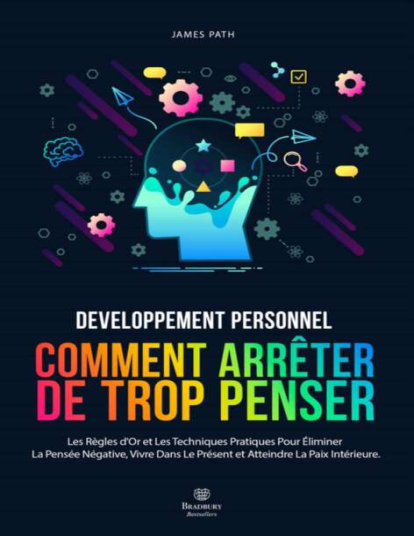
Comment arrêter de trop penser
Comment arrêter de trop penser
In our modern world, filled with constant noise, information, and endless choices, it’s easy to get trapped in our own minds. Thoughts spin endlessly—analyzing, worrying, replaying past moments, and anticipating future ones. For many people, overthinking becomes a daily habit, leading to anxiety, sleepless nights, and mental exhaustion. The book Comment arrêter de trop penser offers a refreshing and practical solution to this common struggle. It’s more than a guide—it’s a path toward peace of mind and emotional balance.
Through relatable stories, insightful exercises, and scientifically backed techniques, Comment arrêter de trop penser teaches readers how to break free from the cycle of overthinking. It helps you understand why the mind gets stuck in repetitive thought patterns and provides simple, effective ways to calm the noise within. Whether you’re overwhelmed by decisions, haunted by regrets, or constantly seeking control over the future, this book offers tools to help you find clarity and peace.
Understanding the Cycle of Overthinking
Before learning comment arrêter de trop penser, it’s important to understand why we do it. Overthinking often starts with good intentions—we want to make the right choices, understand situations fully, or prepare for every possible outcome. But when thoughts become repetitive and unproductive, they stop serving us. Instead of finding solutions, we create problems that didn’t exist before.
The book explains how overthinking is closely linked to fear—fear of failure, rejection, or uncertainty. The human brain is designed to protect us, constantly scanning for potential dangers. However, in today’s world, where threats are often emotional or psychological rather than physical, this protective mechanism can become overactive. The result is mental clutter and stress.
Comment arrêter de trop penser guides readers through recognizing these patterns and identifying triggers. Once you understand what fuels your overthinking—whether it’s perfectionism, self-doubt, or past trauma—you can begin to take control instead of letting your thoughts control you.
Practical Strategies to Calm the Mind
What makes Comment arrêter de trop penser truly valuable is its focus on practical, everyday strategies. It doesn’t just tell you to “think less”—it shows you how to do it.
- Mindfulness and Presence:
The book introduces mindfulness as a core technique. By learning to focus on the present moment—on your breathing, sensations, and surroundings—you gradually quiet the mental noise. Mindfulness teaches you to observe your thoughts without judging them, allowing them to pass naturally instead of spiraling into endless analysis. - Setting Boundaries for Thought:
One of the unique concepts discussed is “scheduled thinking.” Instead of trying to stop worrying altogether, you set aside a specific time each day to reflect or analyze problems. Outside of that time, when worries arise, you remind yourself that you’ll deal with them later. This practice helps retrain the brain to separate productive thinking from unhelpful rumination. - Writing to Release:
Journaling is another powerful method explored in the book. When thoughts remain in your head, they can feel chaotic and overwhelming. Writing them down helps you see them clearly, organize your emotions, and recognize recurring themes. Many readers find that once their thoughts are on paper, they lose their intensity and power. - Reframing Negative Thoughts:
The book teaches cognitive techniques for challenging and reframing negative thinking. When you catch yourself imagining the worst-case scenario or criticizing yourself, you learn to ask: “Is this thought helping me, or hurting me?” This question helps shift your mindset from fear to empowerment.
The Emotional Benefits of Letting Go
Learning comment arrêter de trop penser isn’t just about calming your mind—it’s about transforming your life. When you stop being a prisoner of your thoughts, you begin to live with greater freedom and joy. The book highlights how reducing overthinking can improve relationships, boost productivity, and enhance emotional well-being.
When your mind is no longer busy with unnecessary worries, you have more space for creativity and meaningful connections. You become more present with loved ones and more confident in your decisions. By embracing imperfection and accepting uncertainty, life feels lighter and more fulfilling.
The book also explores how overthinking can affect physical health. Chronic mental stress often leads to fatigue, tension, and even sleep disorders. By practicing the techniques in Comment arrêter de trop penser, readers often experience better sleep, improved focus, and renewed energy. The mind and body are deeply connected—when one is at peace, the other follows.
A Guide for Everyone
One of the strengths of Comment arrêter de trop penser is its accessibility. It’s written in a simple, conversational tone that makes it easy for anyone to understand, regardless of their background or age. Whether you’re a student anxious about exams, a professional juggling multiple responsibilities, or someone simply seeking inner calm, the lessons in this book are universally relevant.
Comments (0)