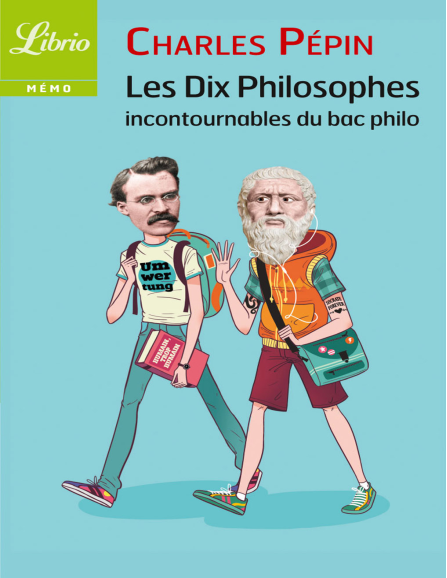
Les dix philosophes incontournables du bac
Books open doors to new worlds, emotionBook Link is Given Below:
Philosophy is one of the most important subjects for French students preparing for the baccalauréat. Understanding the works and ideas of key philosophers not only helps students excel in exams but also develops critical thinking and analytical skills. Les dix philosophes incontournables du bac is a resource that guides students through the most influential thinkers, providing summaries, key concepts, and practical examples to prepare effectively for the philosophy exam.
Why These Philosophers Are Essential
The philosophy section of the bac often revolves around core ideas and debates explored by major thinkers throughout history. Students who are familiar with the concepts and arguments of the most influential philosophers can approach essay questions and oral exams with confidence.
Les dix philosophes incontournables du bac focuses on thinkers whose ideas are most frequently discussed in the curriculum. By mastering their concepts, students gain a solid foundation in ethics, metaphysics, politics, and epistemology, which are central to baccalauréat philosophy exams.
Key Philosophers Covered
While different resources may vary slightly, Les dix philosophes incontournables du bac typically highlights philosophers whose works are essential for understanding French educational philosophy:
- Plato – Known for his theory of forms and discussions on justice, ethics, and politics.
- Aristotle – Introduced the concept of virtue ethics and systematic logic.
- Descartes – Famous for his rationalism, “Cogito, ergo sum,” and dualism.
- Spinoza – Advocated for a pantheistic vision of God and nature.
- Kant – Developed moral philosophy and the concept of the categorical imperative.
- Hegel – Introduced dialectical reasoning and ideas about history and consciousness.
- Nietzsche – Known for his critique of morality and the concept of the Übermensch.
- Sartre – Prominent existentialist thinker, emphasizing freedom and responsibility.
- Camus – Explored absurdism, revolt, and the human condition.
- Marx – Focused on class struggle, social structures, and historical materialism.
Understanding these philosophers allows students to see connections between ideas, compare viewpoints, and construct well-rounded arguments in essays and oral presentations.
How to Use This Resource Effectively
To get the most out of Les dix philosophes incontournables du bac, students should adopt structured study techniques:
- Summarize Key Ideas – Create concise notes for each philosopher, focusing on main concepts and arguments.
- Compare Philosophers – Identify similarities and differences in thought, which helps in essay construction.
- Use Examples – Apply philosophical ideas to real-life situations or contemporary issues to illustrate understanding.
- Practice Essays – Write short essays or oral presentations using the philosophers’ ideas to build familiarity.
- Review Regularly – Consistent revision helps reinforce memory and deepens comprehension.
By following these strategies, students can transform complex philosophical theories into understandable and applicable knowledge for the exam.
Benefits of Free PDF Versions
Free PDF versions of Les dix philosophes incontournables du bac make this resource more accessible to students. PDFs allow learners to study anywhere and anytime, without the burden of carrying heavy books.
Benefits of using free PDFs include:
- Portability – Study on phones, tablets, or laptops during commutes or breaks.
- Self-Paced Learning – Revisit sections as needed and focus on challenging philosophers.
- Interactive Features – Many PDFs include summaries, exercises, and practice questions to reinforce learning.
- Cost-Effective – Access high-quality study material without purchasing physical books.
Using a PDF version helps students integrate consistent review sessions, which is crucial for retaining complex philosophical concepts.
Why This Resource Stands Out
Les dix philosophes incontournables du bac stands out because it organizes complex philosophical material in a clear, structured, and practical way. Instead of overwhelming students with lengthy texts, it focuses on essential ideas, offering explanations and examples that are easy to understand and apply.
The resource encourages critical thinking, enabling students to compare perspectives, analyze arguments, and develop their own philosophical reasoning. This approach not only helps with exam preparation but also fosters intellectual curiosity and a deeper appreciation for philosophy.
Conclusion
Success in the baccalauréat philosophy exam requires more than memorization—it requires comprehension, application, and the ability to discuss ideas critically. Les dix philosophes incontournables du bac provides students with a clear roadmap to the most influential thinkers, helping them understand key concepts and develop strong analytical skills.
Free PDF versions make this resource accessible to all learners, allowing for flexible, self-paced study that fits into busy schedules. By consistently using this guide, students can gain confidence, retain crucial knowledge, and approach their philosophy exams with clarity and preparedness.
For any student aiming to excel in philosophy, Les dix philosophes incontournables du bac is an invaluable tool that combines clarity, structure, and practical insights, ensuring a solid foundation for both exams and lifelong learning.
Comments (0)